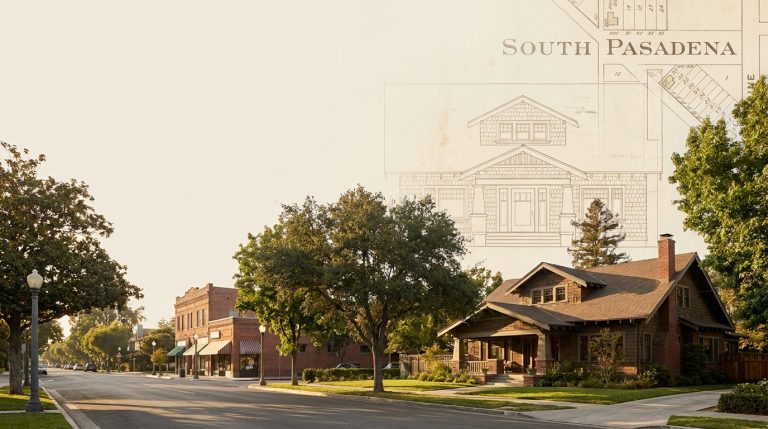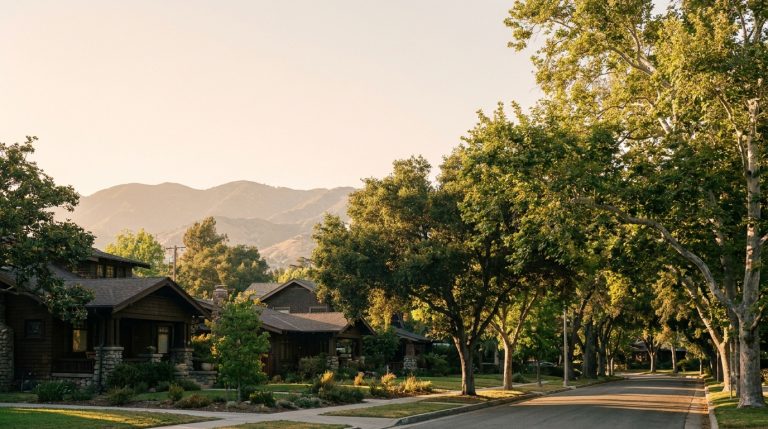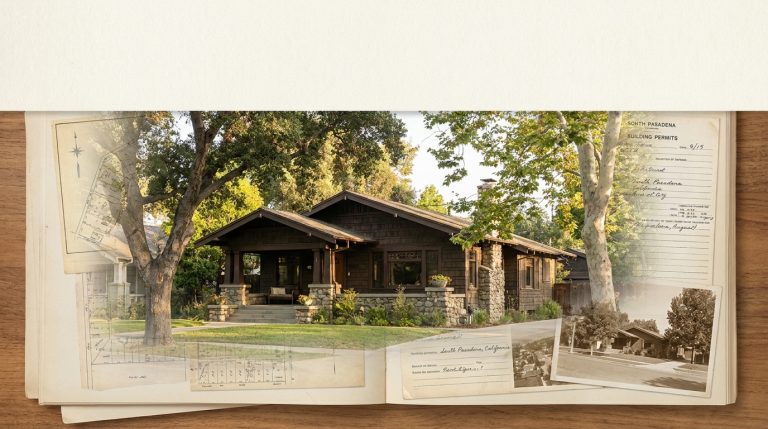
The South Pasadena Public Library history is much older than a single building. It reaches back to the city’s earliest years, when residents created a free reading room and began building a public institution around books, learning, and civic life. In 2026, that story is receiving renewed attention through the Library’s “South Pasadena: Through the Decades” campaign, which marks 120 years since a major Carnegie-funded milestone helped shape the library campus.
The anniversary arrives at a fitting time for anyone interested in South Pasadena history. The Library is not only a place to borrow books. It also preserves photographs, newspapers, yearbooks, city directories, biographical files, landmark information, and other records that help explain how the city developed.
For readers exploring our South Pasadena history timeline, historic photo archives, or local research resources, the Library remains one of the most valuable places to begin.
From a Reading Room to the Carnegie Library Era
South Pasadena’s library tradition began before its well-known Carnegie chapter. The city incorporated in 1888, and residents established a free reading room only a year later. That early beginning matters because it shows how quickly education and shared access to information became part of the city’s civic identity.
During the same period, South Pasadena was developing streets, homes, transportation connections, schools, and public services. A community library therefore became part of a larger effort to create a stable and connected city.
Before Carnegie, South Pasadena Was Already Building a Library Tradition
The Library’s earliest years tell the story of a young community creating institutions that residents could share. Instead of starting with an elaborate civic building, library service developed gradually. First came a reading room. Later came formal municipal support and, eventually, a permanent library building.
This progression is one reason the Library is useful for understanding South Pasadena itself. Its growth followed many of the same patterns that shaped local neighborhoods, schools, businesses, and public spaces.
1889: The First Free Reading Room
In 1889, the South Pasadena Lyceum was established as a free reading room in the Graham & Mohr Opera House. By modern standards, it was a modest beginning. However, the idea behind it was significant.
Books, newspapers, and periodicals were not instantly available from a phone or computer. A shared reading room gave residents access to information and created a public place centered on learning.
It also demonstrates an important lesson about local history. Historic significance does not always begin with a famous landmark. Sometimes it begins with an ordinary community service that becomes increasingly important over time.
1895: A Formal Public Library Takes Shape
In 1895, South Pasadena adopted a resolution supporting a free public library through taxation. The South Pasadena Public Library was formally established, and Nellie Keith became the first City Librarian.
This change moved the institution beyond the informal reading-room model. Library service now had municipal support, a clearer structure, and a stronger foundation for future growth.
The date is also useful when discussing the 2026 anniversary. Although the current celebration highlights the Carnegie milestone that began in 1906, public library service in South Pasadena actually started earlier. The longer timeline helps explain why the Library has such deep roots in community life.
Andrew Carnegie’s 1906 Gift Changed the Scale of the Library
The next major turning point came in 1906. The Carnegie Corporation offered $10,000 toward construction of a free public library building, provided South Pasadena committed ongoing funds for its maintenance.
The city accepted the offer. As a result, South Pasadena became part of a much broader public-library movement associated with Andrew Carnegie’s philanthropy across the United States.
A permanent library building changed more than the amount of available shelf space. It gave the institution a visible civic presence. At the same time, transportation, housing, and commercial development were rapidly changing South Pasadena.
1907–1908: A Permanent Library Building Arrives
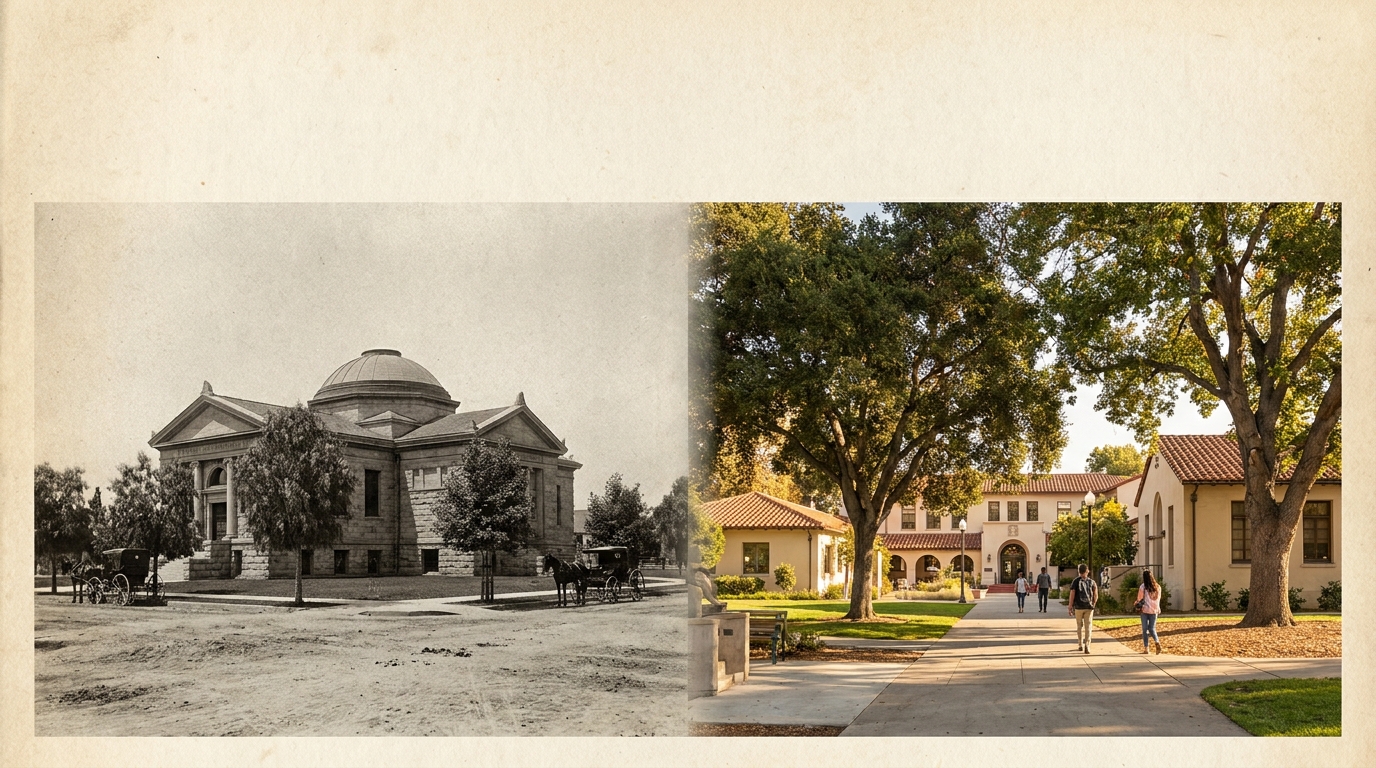
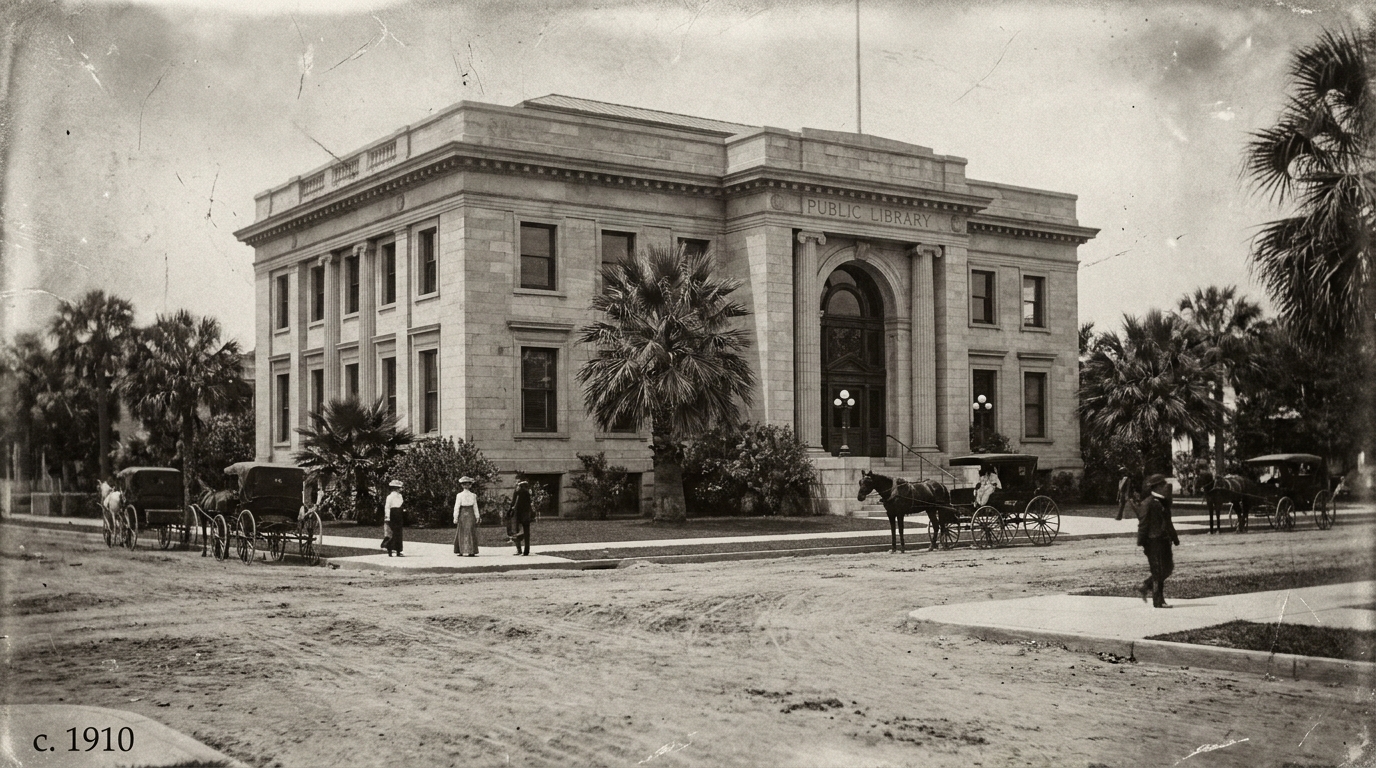
The cornerstone for the new library building was laid in 1907. The Carnegie-era library opened in 1908 near Diamond Avenue and El Centro Street, creating a recognizable home for public library service.
Its architecture also belongs to the wider story of South Pasadena’s built environment. Civic buildings, schools, businesses, and residences from this period reveal how the growing community presented itself and invested in long-term institutions.
Readers interested in that architectural context can continue with our guide to South Pasadena architecture and historic homes.
1917: The Library Expands With the Community
The Library did not remain static for long. In 1917, additional Carnegie funding supported an expansion that added stack rooms, a sunroom, and a basement auditorium.
The new spaces reflected a broader role for the Library. It was becoming not only a repository for books but also a civic gathering place where community activities could take place.
Further changes followed. In 1930, portions of the earlier library structure were moved and the facility was reconstructed. Decades later, another major renovation and expansion took place in 1982. Historic portions of the campus were retained while library service continued to adapt to modern needs.
That pattern feels especially appropriate in South Pasadena. Throughout the city, preservation often involves keeping character-defining features while allowing buildings and public spaces to remain useful. You can explore more examples on our South Pasadena historic landmarks page.
Why the South Pasadena Public Library’s 120-Year Celebration Matters in 2026
The Library’s story has become especially relevant again in 2026. Its “South Pasadena: Through the Decades” campaign celebrates the community through programs and hands-on activities that connect residents with different periods of local and cultural history.
The campaign includes a commemorative library card and Decades Kits designed around different periods from the twentieth century into the early twenty-first century. The kits use books, toys, and games to help families experience how reading and everyday childhood activities changed across generations.
There is also a remarkable connection between past and present. The 2026 celebration follows another $10,000 grant from the Carnegie Foundation. That amount echoes the $10,000 Carnegie funding associated with the Library’s major 1906 turning point.
“Through the Decades” Connects Public History With Everyday Life
One reason this anniversary is so valuable is that it presents history as more than a sequence of construction dates. It encourages people to consider what life actually felt like during different periods.
What books did children read? What games did families play? How did residents travel around town? Which schools, businesses, houses, and public spaces shaped their routines? How did the appearance of neighborhoods change as South Pasadena grew?
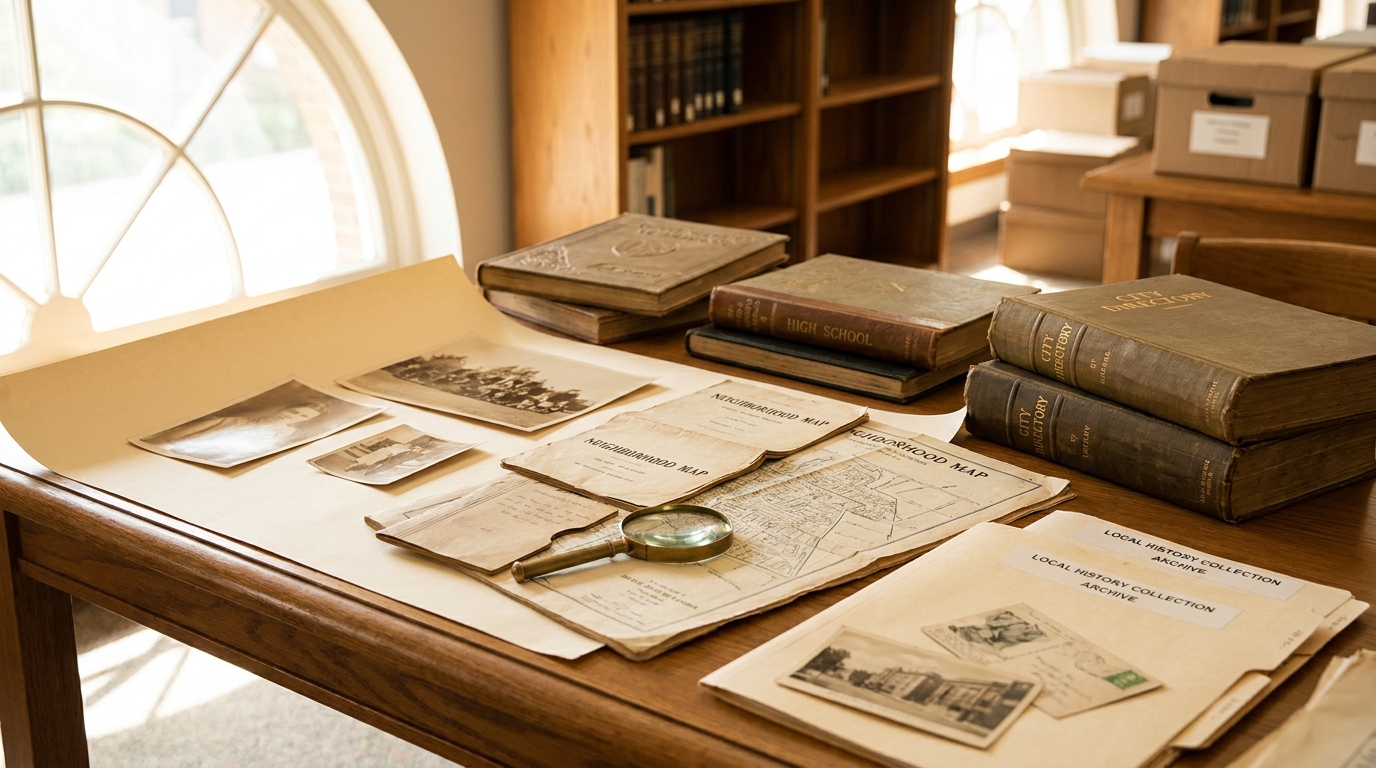
The Library’s Local History Collection helps researchers answer many of these questions. Its resources include historic photographs, local newspapers, yearbooks, city directories, biographical material, and information about historic landmarks.
These records are especially useful because one source often leads to another. A historic photograph may reveal an old address. A city directory may identify a resident or business associated with that address. Newspapers can then provide additional context about the people, events, and institutions connected to the property.
Homeowners can also use historic records to investigate previous occupants or major changes to a property. Families can research relatives through directories, newspapers, yearbooks, and genealogy materials. Preservation-minded residents may use the collection to understand how a building fits into a larger historic neighborhood.
Our South Pasadena local history research resources guide explains how maps, directories, building information, photographs, and archival collections can be combined during a property or neighborhood investigation.
The anniversary also highlights a larger idea. Libraries preserve community memory while continuing to serve present-day needs. South Pasadena’s Library provides modern resources, digital services, public programs, and gathering spaces. At the same time, its historic campus and archival collections preserve connections to earlier generations.
That combination makes the Library a living historic institution rather than simply a monument to the past.
For visitors who want to explore the official institutional timeline, the City of South Pasadena provides additional historical information and research material. Explore the official South Pasadena Public Library history for primary local information about how the Library developed.
The Local History Collection can also lead researchers far beyond the Library itself. Its records connect with South Pasadena’s transportation history, the long battle over the 710 Freeway, historic homes, civic organizations, schools, newspapers, notable residents, and dozens of historic places.
Those connections matter because city history is rarely divided into separate subjects. Transportation affects neighborhoods. Architecture reflects economic growth. Schools preserve community traditions. Businesses change streets. Public institutions create gathering places. A good local archive helps researchers connect those pieces.
As South Pasadena celebrates this milestone in 2026, the most important lesson may be simple: community history survives because people choose to preserve it.
Historic buildings matter, but so do photographs, maps, newspaper pages, yearbooks, directories, letters, programs, and personal memories. For generations, the Library has helped gather and preserve those pieces.
The next time you pass the library campus, consider it as more than a familiar civic building. It represents a story that began in the nineteenth century, gained a permanent architectural presence during the Carnegie era, adapted through decades of change, and continues helping residents understand South Pasadena today.
Continue exploring the city through our South Pasadena history timeline, browse the historic photo archives, or discover additional historic landmarks in South Pasadena.