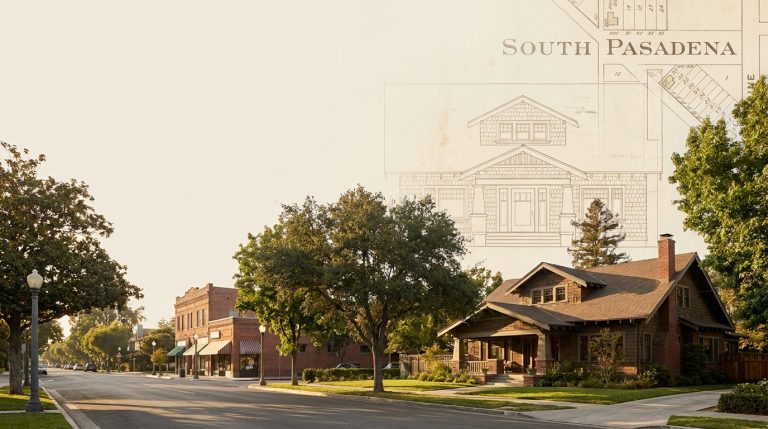
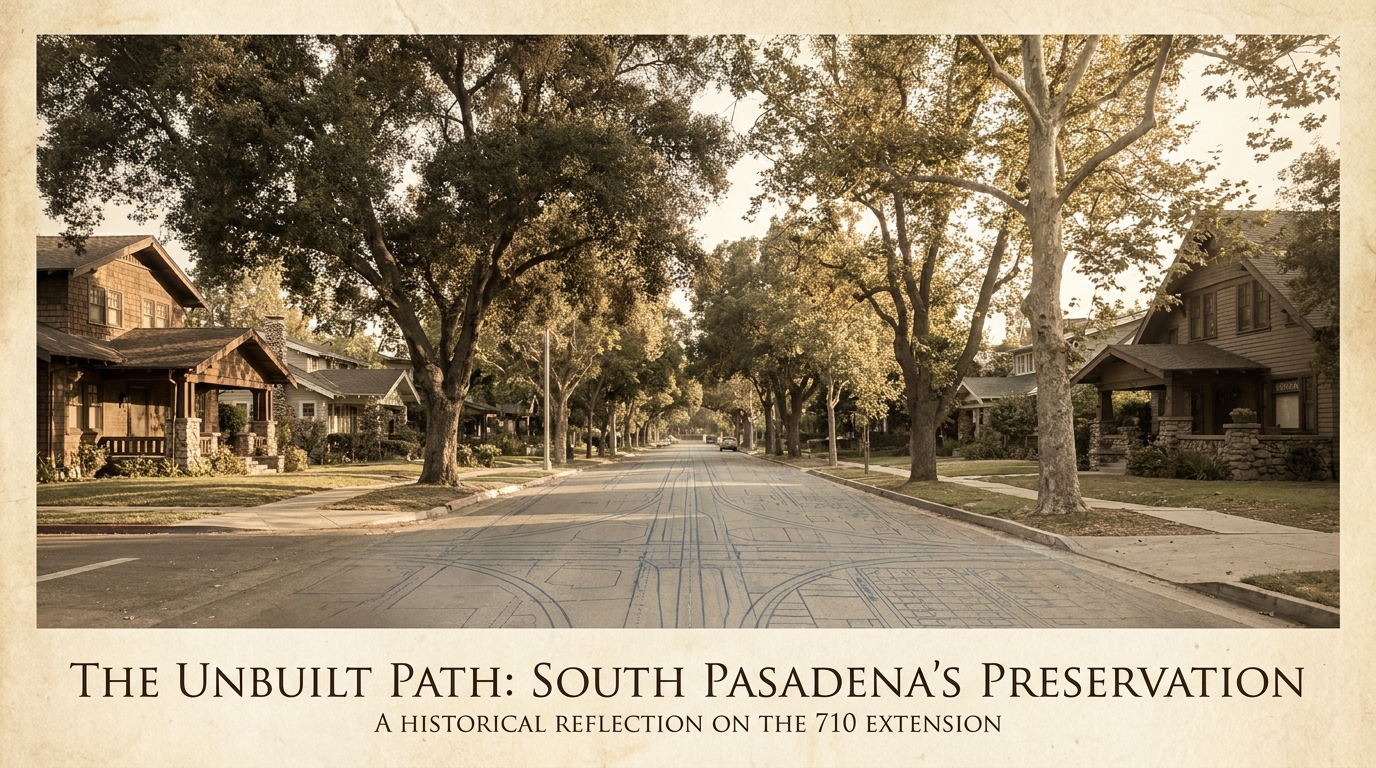
The South Pasadena 710 Freeway story once centered on what the city might lose. For decades, a proposed freeway extension threatened homes, neighborhoods, historic buildings, and the physical character of South Pasadena. Today, however, the story has entered a very different chapter.
In 2026, former Caltrans properties originally acquired for the freeway are being returned to residential use. Some historic homes are being sold back into the community, while the proceeds from certain sales are tied to affordable housing requirements. As a result, properties once associated with demolition and displacement are now connected to preservation, homeownership, and housing policy.
The change makes the South Pasadena 710 Freeway debate more than transportation history. It is also a story about architecture, neighborhood identity, community activism, and what happens to land after a major public project disappears.
Readers interested in the larger evolution of the city can also explore our South Pasadena history timeline and guide to historic landmarks in South Pasadena.
How the South Pasadena 710 Freeway Fight Reshaped the City
The conflict did not begin in the 2020s. Its roots reach back more than six decades.
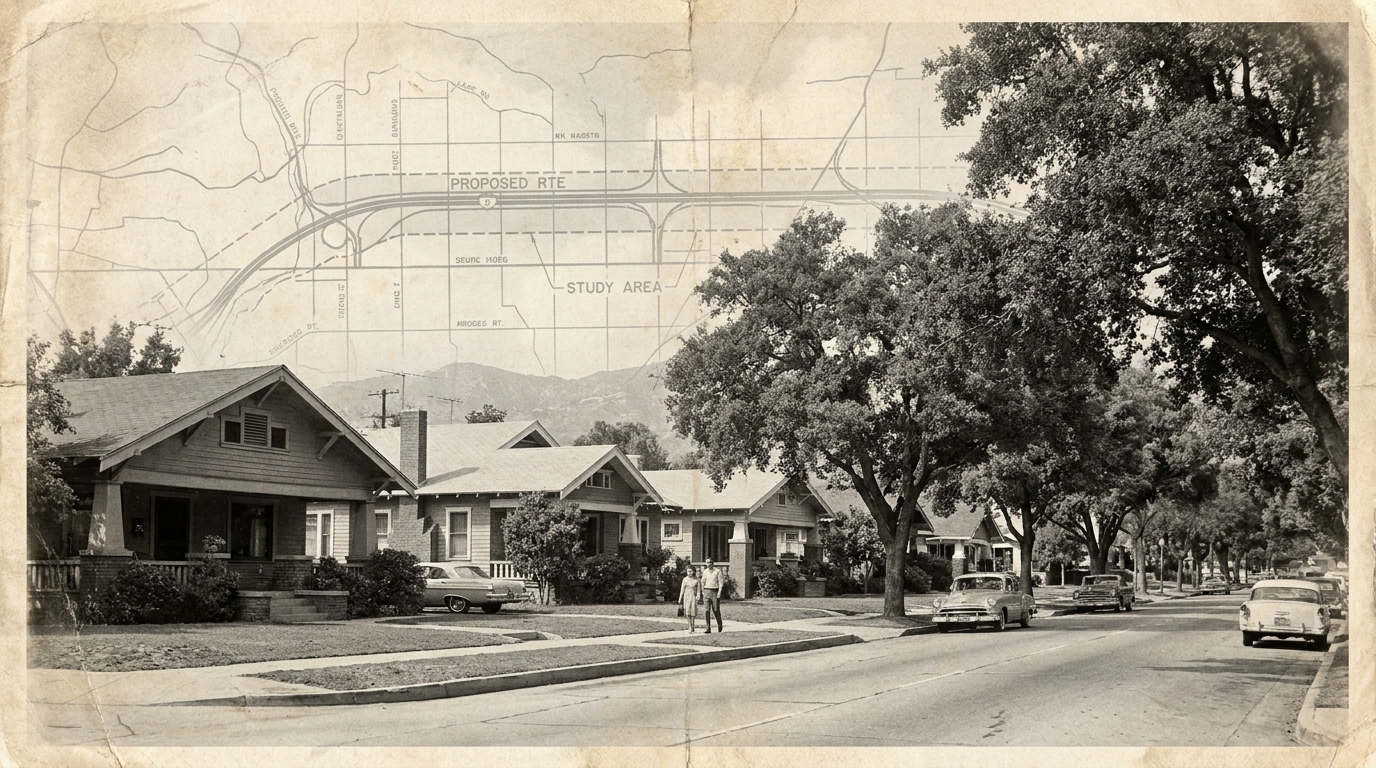
California adopted a statewide freeway and expressway plan in 1959. Soon afterward, South Pasadena learned that the state was studying routes for a northern extension of what became State Route 710. In 1964, the California Highway Commission adopted the Meridian Route through the area.
The proposed route would have cut through established neighborhoods. It also placed numerous houses in the potential path of freeway construction. Therefore, the debate quickly became about more than traffic. Residents began asking what the project would mean for homes, streets, community connections, and the historic environment.
A Freeway Proposal Became a Preservation Issue
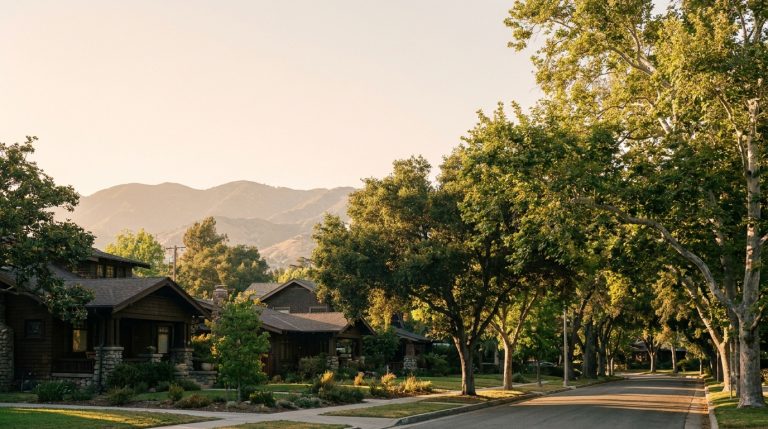
South Pasadena developed much of its recognizable residential character before and during the first half of the twentieth century. Craftsman houses, bungalows, mature street trees, small-scale commercial areas, and civic buildings helped create a community that looked very different from the large freeway corridors elsewhere in Los Angeles County.
For that reason, the freeway proposal created a direct conflict between regional transportation planning and local preservation.
The City’s historic context research identifies opposition to the freeway as a major theme in South Pasadena’s preservation history. The proposed route could have displaced or removed hundreds of single-family residences. Consequently, residents, preservation advocates, and city leaders challenged the project through public advocacy, administrative proceedings, legislation, and litigation.
Those interested in the buildings involved in this broader history can continue with our South Pasadena architecture and historic homes guide.
1960s: The Route Threatens Established Neighborhoods
By the 1960s, South Pasadena was already a mature community. Many neighborhoods that visitors now recognize as part of the city’s historic character were already established.
Meanwhile, the state’s planned freeway route passed through areas containing residential properties. Caltrans acquired homes and other parcels along the corridor in anticipation of eventually building the extension.
That created an unusual situation. Houses remained physically present, yet their long-term future became uncertain because they were owned for a transportation project that remained unresolved.
Over time, the Caltrans properties became one of the most visible legacies of the freeway fight.
Decades of Opposition Changed the Outcome
The dispute continued through multiple generations. Plans changed, environmental studies were prepared, alternative concepts were considered, and the region debated whether the missing freeway connection should ever be completed.
Meanwhile, South Pasadena residents continued organizing against the extension.
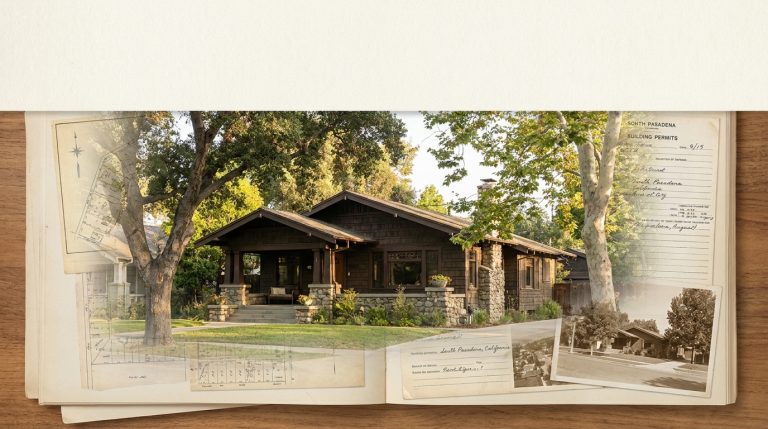
The city’s Local History Collection now preserves records and personal stories related to that campaign. Its 710 Freeway materials include archival collections as well as digital stories produced through the California Listens project.
That archival record is important because the freeway debate influenced South Pasadena’s civic identity. The campaign connected transportation policy with preservation, neighborhood activism, environmental concerns, and local government.
You can learn more about researching these records in our South Pasadena research resources section or browse historical material through the South Pasadena photo archives.
2019 Finally Closed the Door on the Freeway Extension
After decades of uncertainty, the political landscape changed decisively in 2019. Legislation signed by Governor Gavin Newsom ended the long-running effort to construct the SR 710 extension.
The freeway threat was gone. However, another problem remained: what should happen to the many properties Caltrans had acquired along the abandoned route?
South Pasadena reported that Caltrans owned dozens of residential properties within the city. Some had experienced years of deferred maintenance, while others retained architectural or historic value.
The end of the freeway project therefore created a new challenge. Instead of debating demolition for transportation infrastructure, officials and residents now had to determine how surplus properties could return to productive community use.
Caltrans Homes Became the Next Chapter of the 710 Story
California legislation created procedures for disposing of the surplus properties. Those rules include opportunities for tenants, public agencies, and housing-related entities depending on the type and status of each property.
In South Pasadena, the process has included both historic preservation and affordable housing goals.
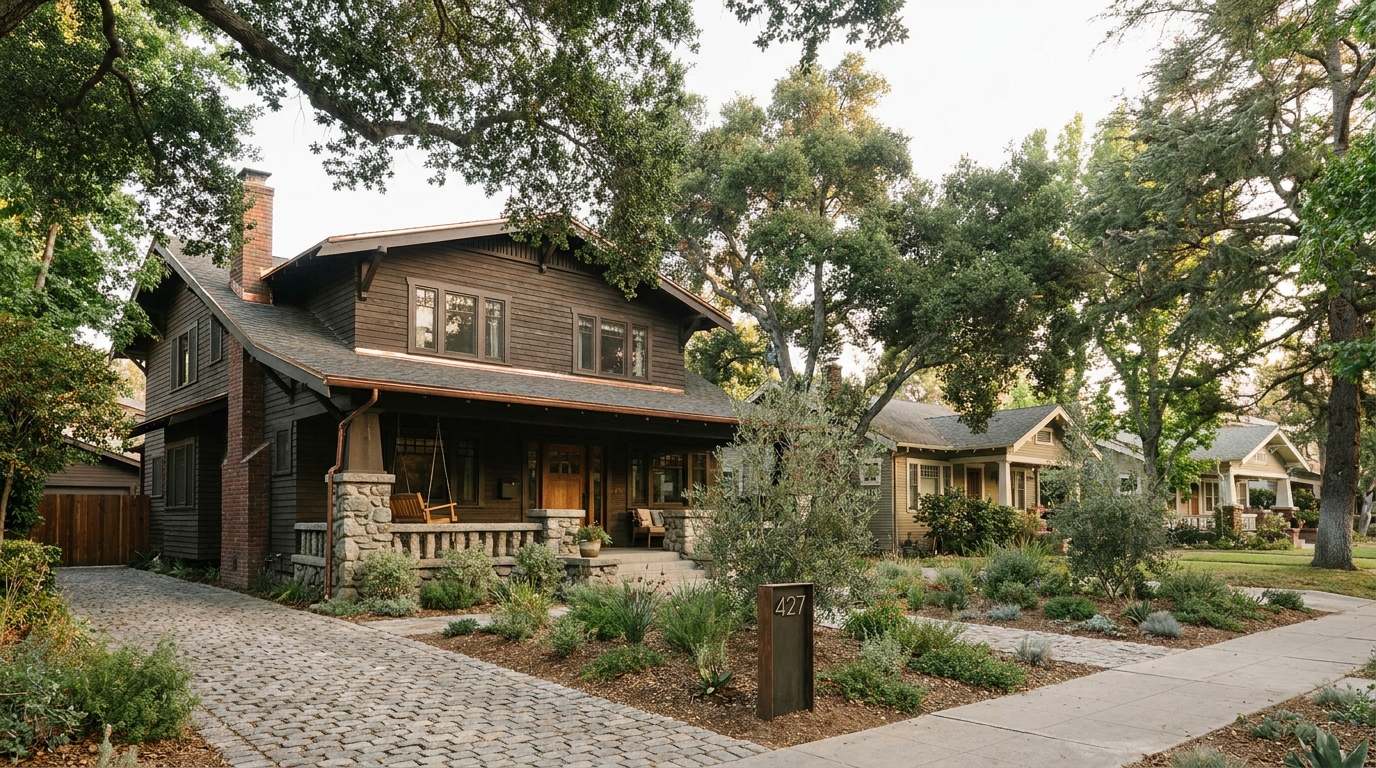
For example, the City moved forward in 2024 with five unoccupied historic Caltrans properties. The homes had once faced possible demolition because of the proposed freeway. Instead, the City acquired them and returned them toward private residential ownership.
The transformation is striking. A property once held because a freeway might erase the neighborhood can now become part of that neighborhood’s future.
Affordable Housing Is Also Part of the Legacy
Not every former Caltrans property follows the same path.
One example is Friendship Terrace at 626 Prospect Avenue. The former Caltrans property became a 12-unit housing community designated for moderate-income residents. The project demonstrates how land connected to the abandoned freeway can support new housing rather than transportation infrastructure.
At the same time, state rules governing South Pasadena’s acquisition and resale of certain properties connect market-rate sales with affordable housing production.
That relationship became especially important in 2026.
Why Former Caltrans Homes Are Back in the News in 2026
On March 4, 2026, the South Pasadena City Council authorized purchase and sale agreements with Caltrans involving another group of unoccupied properties.
Then, in June, the City announced that eight former Caltrans properties would be marketed for sale. The addresses included properties on Columbia Street, Orange Grove Avenue, Bonita Drive, Grevelia Street, Valley View Road, and Prospect Avenue.
Among them is 1131 Columbia Street, identified by the City as the historic Columbia House.
The announcement follows an earlier round involving five properties that were sold in December 2024. Therefore, the 2026 listings represent another step in a process that could take years to fully resolve.
From Freeway Right-of-Way to Housing and Preservation
The 2026 sales show how dramatically the meaning of these properties has changed.
For decades, they represented uncertainty. Caltrans acquired them because transportation planners expected land would eventually be needed for the freeway extension. Once that extension disappeared, the same properties became potential homes, preservation projects, and sources of funding for additional housing.
According to South Pasadena’s June 2026 announcement, AB 1038 requires the City to use proceeds from the applicable sales to fund three affordable units for every Caltrans property purchased under the program.
That requirement connects two goals that can sometimes appear to compete: preserving historic residential character and increasing housing opportunities.
The process also explains why the former freeway corridor remains relevant even though the freeway itself will not be built.
Caltrans continues administering an official State Route 710 Sales Program covering surplus properties in South Pasadena, Pasadena, and the El Sereno area of Los Angeles. The program establishes sales priorities and provides information for tenants, public agencies, housing-related entities, and other potential purchasers.
For current rules and official property-disposition information, visit the Caltrans State Route 710 Sales Program.
There is also a broader historical lesson here. Infrastructure projects can shape communities even when they are never constructed.
The proposed 710 extension influenced property ownership, preservation advocacy, housing conditions, political organizing, and neighborhood planning for generations. Therefore, the story cannot be reduced to a freeway that simply failed to appear on a map.
Its legacy is still visible in individual houses and parcels throughout South Pasadena.
Today, however, the direction has reversed. Instead of removing homes to make room for a freeway, the city is working through how those properties can once again function as housing. Some can preserve important architecture. Others may support affordable housing directly or help finance additional units.
That makes the 2026 Caltrans property sales one of the most meaningful current chapters in South Pasadena history.
To understand how these properties fit into the city’s larger story, explore our South Pasadena history timeline, discover historic landmarks, or read about the South Pasadena Public Library and its local history collections.