Mission Street South Pasadena is more than a road through the center of town. For generations, it has connected transportation, commerce, architecture, civic life, local businesses, and community events. In 2026, that role remains visible as South Pasadena balances historic preservation with housing, transportation improvements, and a changing business district.
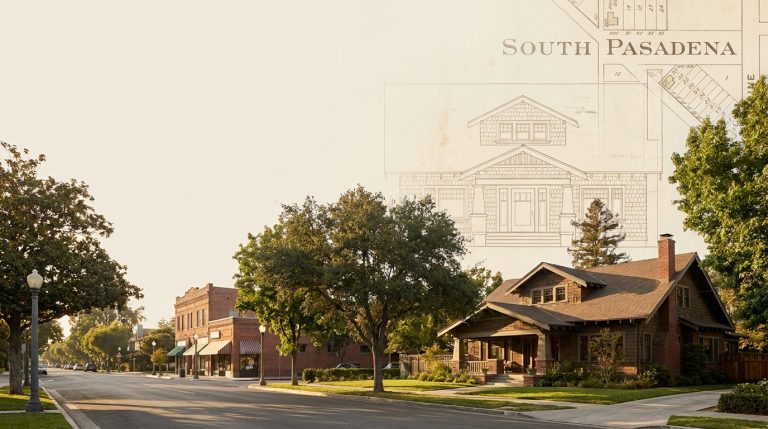
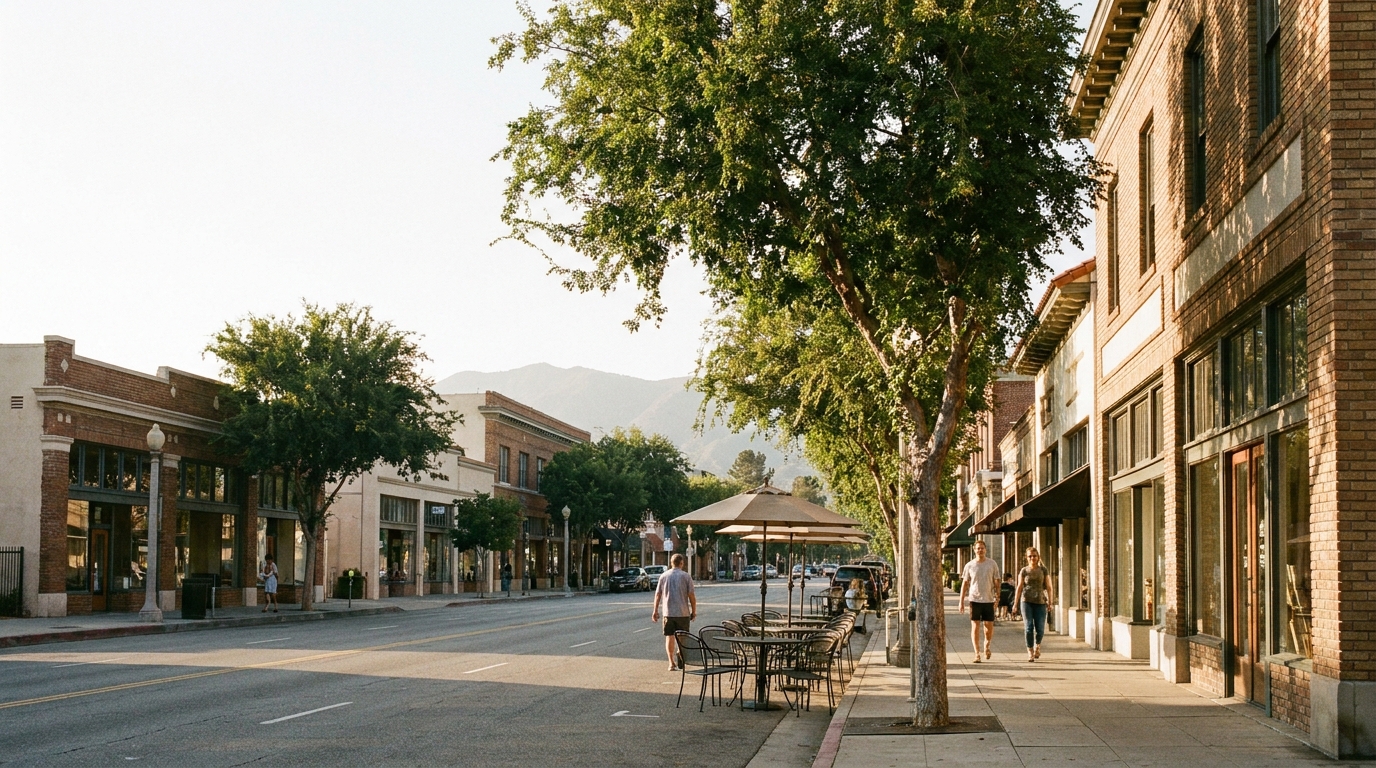
Walk along Mission Street today and the story appears in layers. Historic storefronts sit near newer businesses. Mature trees soften the streetscape. Older commercial buildings reflect the scale of an earlier town, while nearby development shows how the city continues to evolve.
That combination makes Mission Street one of the best places to understand South Pasadena as a whole. Visitors can also place the district in a wider context through our South Pasadena history timeline and guide to South Pasadena historic landmarks.
Most importantly, Mission Street is still being used rather than simply preserved as a museum piece. Residents shop, eat, attend events, walk between destinations, and gather here. As a result, its history continues to develop.
How Mission Street South Pasadena Became the Historic Core
Mission Street did not become important because of one landmark or one moment. Instead, its significance developed as South Pasadena grew from a small settlement into an incorporated city connected to the wider Los Angeles region.
Transportation played an important role. Rail connections encouraged development and made South Pasadena more accessible. Over time, homes, stores, institutions, and civic spaces gathered around important transportation routes.
Mission Street eventually became one of the city’s most recognizable commercial corridors. Its modest building scale and relationship to nearby residential neighborhoods helped create the small-town character that still distinguishes South Pasadena today.
Transportation Helped Create a Main Street
South Pasadena’s transportation history is closely tied to its development. Railroad and streetcar connections helped move residents, visitors, workers, and shoppers through the area. Therefore, transportation influenced where businesses opened and where neighborhoods grew.
The famous red-car era also became part of this story. Electric railway service connected communities across Southern California before automobiles and freeways reshaped regional travel.
Mission Street developed within that changing transportation landscape. While modern traffic now moves through the corridor, traces of its earlier pedestrian-oriented character remain visible in storefront placement, sidewalks, building setbacks, and the overall scale of the street.
The Railroad and Red-Car Era Left a Lasting Mark
Early transportation did more than carry passengers. It influenced land values, commercial activity, housing patterns, and daily routines.
Residents could travel between South Pasadena and surrounding communities while still living in a relatively small city. Businesses benefited from increased activity, while new residents gained easier access to the larger region.
For a deeper look at transportation and development, our article about the South Pasadena 710 Freeway and former Caltrans homes explains how transportation planning continued to shape the community decades later.
Mission Street therefore represents two very different transportation eras. One encouraged compact development around rail and streetcar access. Later planning increasingly centered automobiles and regional road networks.
Historic Buildings Give the Street Its Visual Identity
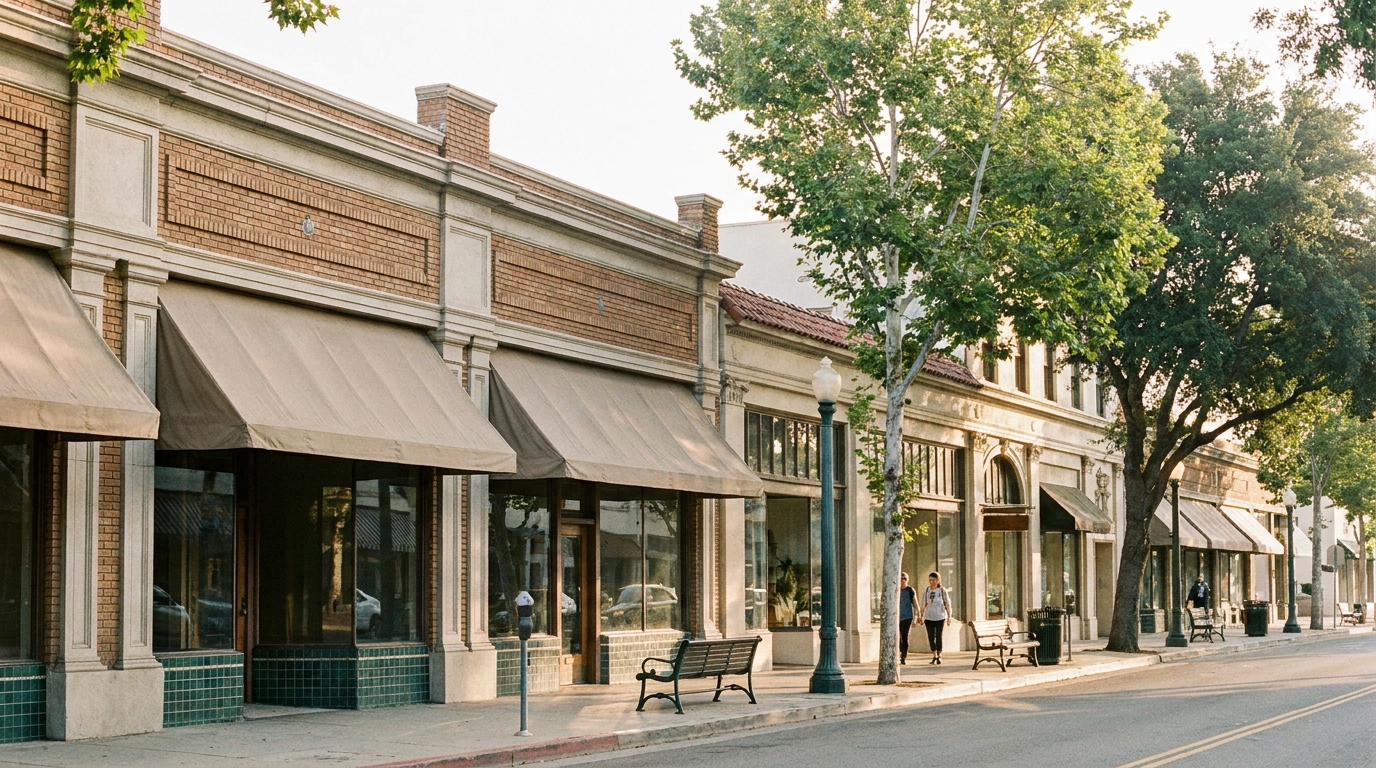
Architecture is another reason Mission Street feels distinctive. Instead of being dominated by large contemporary commercial complexes, much of its character comes from smaller buildings that address the sidewalk directly.
These structures help create visual continuity. Storefront windows, traditional building proportions, mature landscaping, and short walking distances between businesses make the district feel different from an automobile-oriented shopping corridor.
Individual properties may change uses many times. However, preserving important architectural features can allow a street to evolve without losing its identity.
Readers interested in these building traditions can explore our South Pasadena architecture and historic homes section.
Why the Pedestrian Scale Still Matters
A historic district is not defined only by the age of its buildings. The relationship between buildings, sidewalks, streets, landscaping, public space, and everyday activity matters just as much.
That point remains especially relevant on Mission Street. The South Pasadena Preservation Foundation described the Mission West Historic Business District in 2026 as an important shared public space and emphasized the need to preserve Mission Street’s role as the city’s main street.
The street works best when people can experience it at a human scale. Shops should be visible from sidewalks. Buildings should help define public space. Meanwhile, street trees, seating, crossings, and slower movement can make walking more comfortable.
This approach also supports historic preservation. A preserved storefront has greater value when the surrounding street continues to function as an active neighborhood destination.
Markets, Arts and Local Events Keep History Active
Community events provide a clear example. In April 2026, South Pasadena’s Arts & Music Crawl transformed the downtown district along Mission Street between Fair Oaks Avenue and Meridian Avenue into a destination for art, music, food, and community activity.
Later in August, the Eat! Shop! Enjoy! South Pas Crawl highlighted independent restaurants, retailers, studios, artisans, and other local businesses throughout the city’s business district.
These events show why an active historic core matters. Preservation works best when historic places continue to serve current community needs.
Mission Street is therefore not important simply because something happened there decades ago. Residents are still creating memories there today.
The nearby South Pasadena Public Library provides another example of a historic institution that continues serving modern community life. Read our guide to South Pasadena Public Library history to see how that civic landmark evolved across more than a century.
Why Mission Street Matters Even More in 2026
The historic core now faces questions familiar to many older Southern California communities. How can a city add housing? How should streets accommodate pedestrians, bicycles, cars, and businesses? What should new development look like beside older buildings? Which historic features deserve protection?
Mission Street sits near the center of those discussions.
In late August 2026, the City scheduled restriping work on Mission Street between Fair Oaks Avenue and Garfield Avenue. Although roadway striping may seem routine, transportation changes affect how people experience a historic commercial corridor.
At the same time, new housing and mixed-use development are creating another layer of change.
Preservation and New Development Now Meet on Mission Street
One prominent example is the Mission Bell project at 1101–1115 Mission Street. According to current City project information, the approved development calls for 75 apartments and approximately 2,660 square feet of commercial space.
Eight residential units are planned as deed-restricted affordable units. The proposal also uses two levels of parking and incorporates outdoor spaces.
The project illustrates a larger challenge. South Pasadena must meet housing needs and state requirements while maintaining the qualities that make historic commercial areas appealing.
New construction does not automatically conflict with preservation. However, building scale, street frontage, materials, setbacks, storefront design, landscaping, and pedestrian connections can determine whether new development strengthens or weakens an established district.
Mission Bell Shows How the Historic Core Is Changing
The Mission Bell site is especially interesting because earlier versions of the project involved an existing historic resource at 1115 Mission Street and plans for adaptive reuse. The project has evolved over several years as development standards and housing requirements changed.
By 2026, City materials describe a five-story mixed-use project with 75 apartments. Construction plans were submitted for review after Planning Division approval in October 2025.
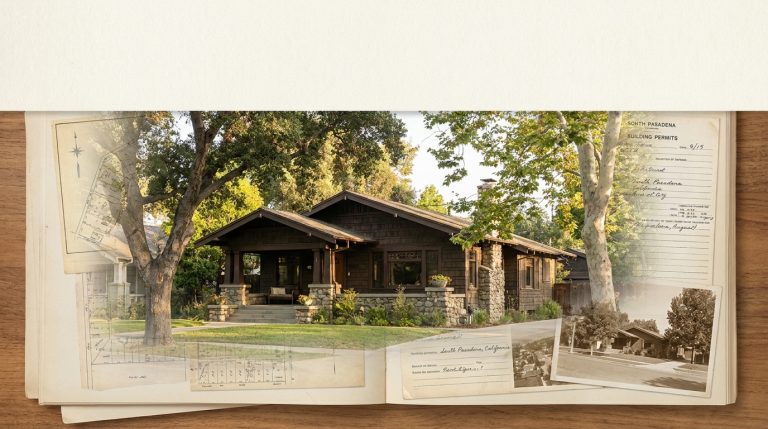
For readers researching development, landmarks, or individual properties, our South Pasadena research resources explain how planning records, historic inventories, maps, photographs, and building information can be used together.
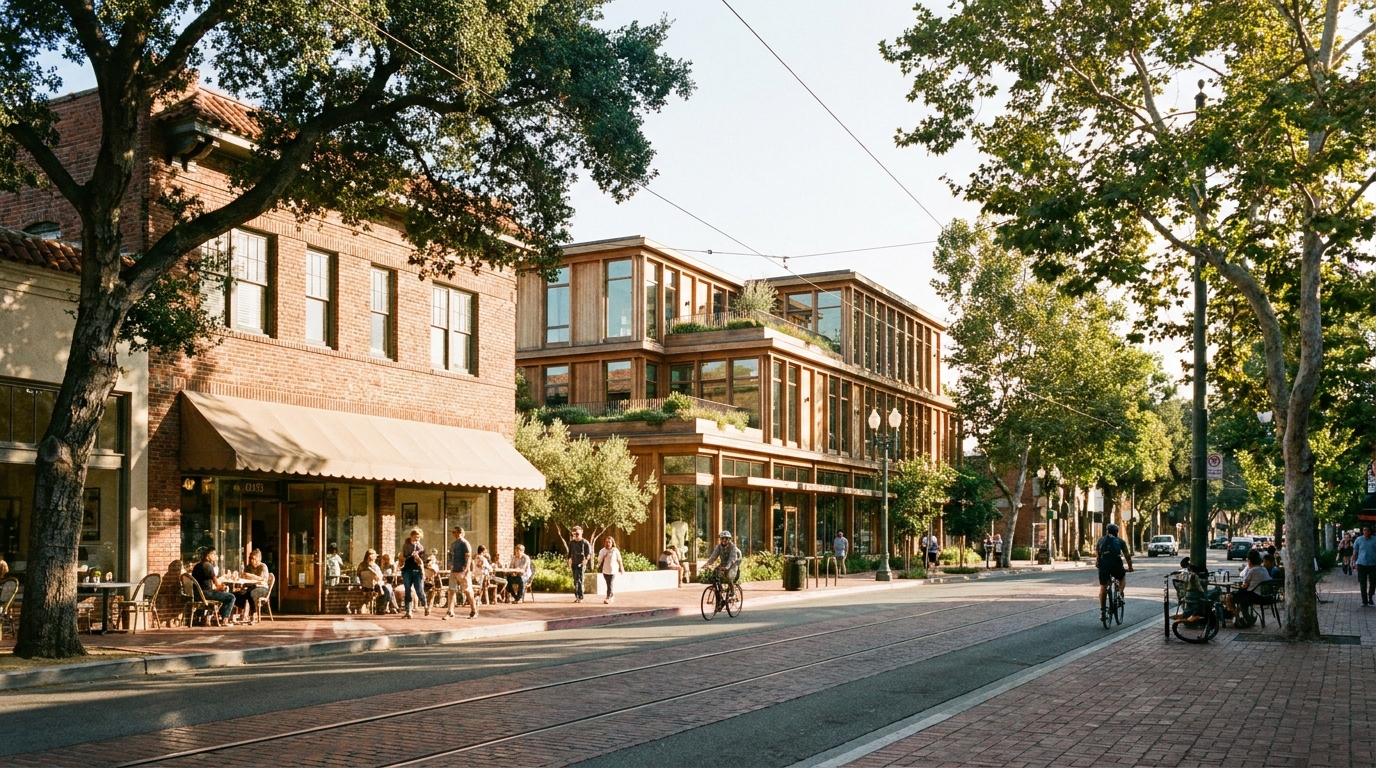
Anyone following Mission Street in 2026 should therefore look beyond individual construction projects. The larger question is how the street functions as a complete place.
Its historic buildings matter. However, so do independent businesses, events, sidewalks, transportation choices, housing, trees, gathering spaces, and the relationship between new and old architecture.
The City of South Pasadena maintains official planning information about major development projects, including current Mission Street proposals. Visit the City of South Pasadena Major Development Projects page for current project documents and status information.
Mission Street has survived major changes before. Transportation systems evolved. Businesses came and went. Buildings changed uses. The surrounding city grew. Yet the corridor remained a recognizable center of community life.
That continuity is what makes the street historically meaningful.
In 2026, Mission Street is again showing that preservation does not mean stopping time. Instead, successful preservation can guide change while protecting the scale, architecture, public spaces, and community activity that make a place distinctive.
Explore more of that story through our South Pasadena historic landmarks, browse visual records in the South Pasadena photo archives, or follow the city’s development through our South Pasadena history timeline.