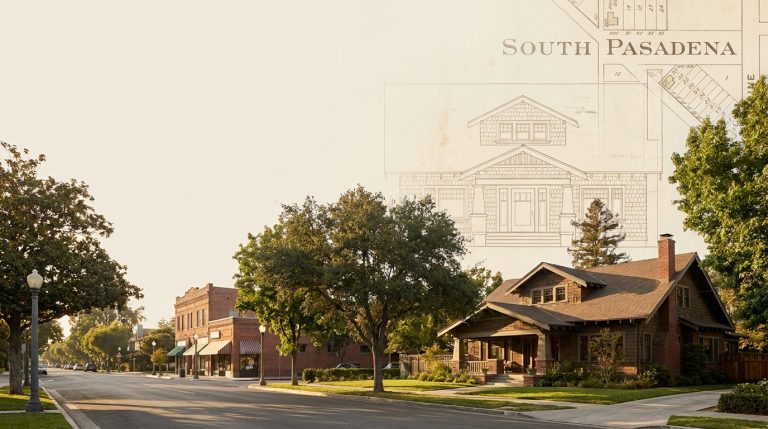
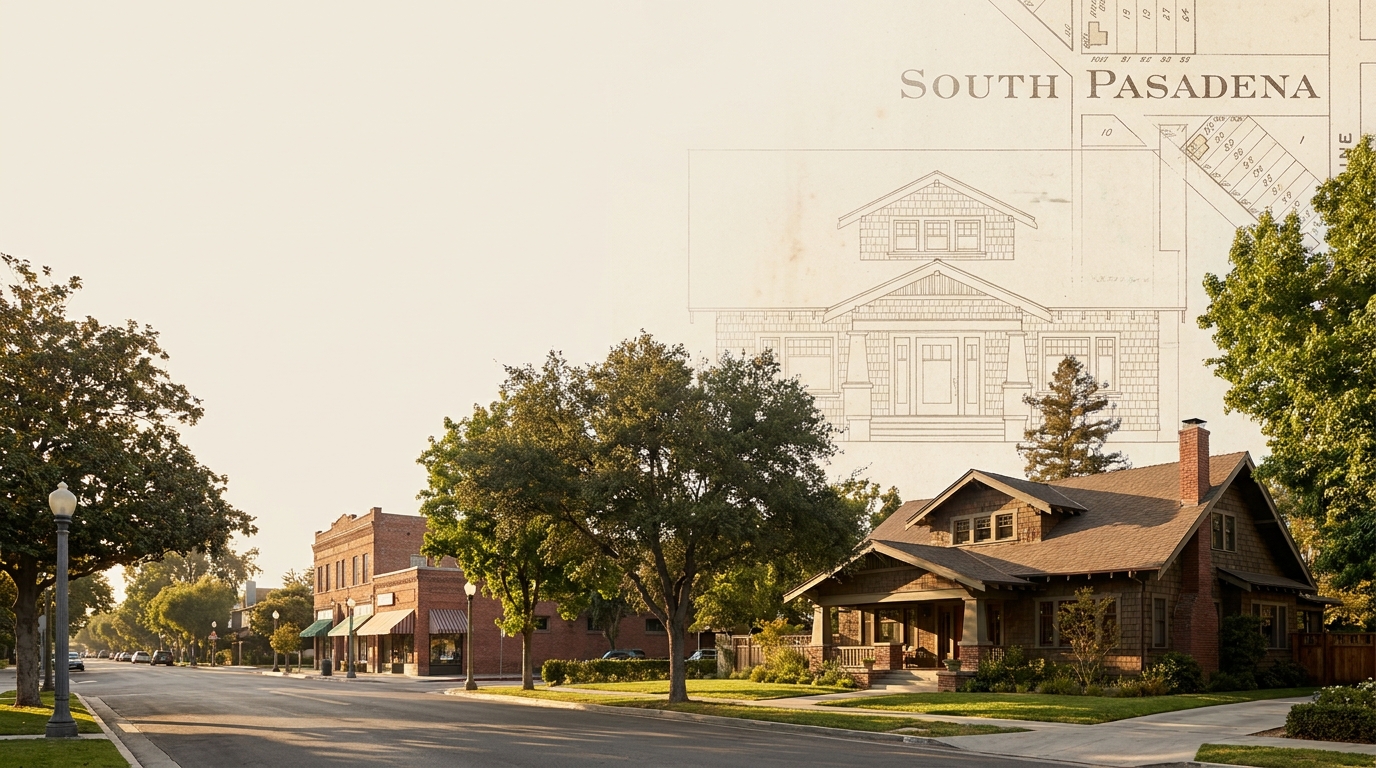
South Pasadena historic preservation is not simply about saving old houses. It is a system for protecting the architecture, neighborhoods, streetscapes, landmarks, and community character that make the city recognizable.
That work remains active in 2026. Throughout the year, South Pasadena’s Cultural Heritage Commission has reviewed projects involving historic properties across the city. Meanwhile, homeowners continue to use programs such as the Mills Act to maintain and restore eligible historic buildings.
The result is a preservation system that affects everything from a Craftsman bungalow renovation to changes along Mission Street.
South Pasadena has thousands of properties on its Cultural Heritage Inventory. It also has locally designated landmarks, historic districts, California historical resources, and properties listed in the National Register of Historic Places.
However, historic status does not mean a building can never change. Instead, the City’s process focuses on protecting important features while allowing compatible repairs, additions, rehabilitation, and continued use.
Understanding that process is especially useful in 2026, as South Pasadena balances preservation with housing needs, transportation changes, wildfire resilience, and new development.
Readers can explore the wider story through our South Pasadena history timeline, historic landmarks guide, and South Pasadena architecture and historic homes collection.
How South Pasadena Historic Preservation Works
South Pasadena has formally protected historic resources for decades. The City’s Historic Preservation Ordinance dates to 1992, while a revised ordinance adopted in 2017 strengthened the legal framework and clarified the preservation review process.
The system begins by identifying resources that contribute to the city’s history.
South Pasadena’s Citywide Historic Context Statement documents major development periods, patterns, people, architecture, and neighborhoods. It covers the city’s history from the Town Settlement period of 1873–1899 through the mid-century modern period ending in 1963.
That context helps planners understand why a building may matter. Age alone is not always enough. Architecture, historical associations, neighborhood context, craftsmanship, and integrity can also contribute to significance.
The Cultural Heritage Commission Reviews Historic Resources
The Cultural Heritage Commission plays a central role in this process. It advises the City Council on identifying, retaining, and preserving landmarks and historic districts.
Its members may have backgrounds or knowledge in architecture, history, planning, archaeology, preservation, or related fields.
For property owners, the Commission becomes particularly important when a proposed project affects a listed historic resource.
The Historic Resources Inventory Is the First Place to Check
Before planning major exterior work, an owner should determine whether the property appears on South Pasadena’s Inventory of Historic Resources.
The City says approximately 2,500 properties are listed on its Cultural Heritage Inventory. Many homes that are 50 years old or older appear on the inventory.
That does not mean every listed house must remain exactly as it looks today. Rather, historic designation mainly affects exterior changes and requires work to follow applicable preservation standards.
The City also reports 59 designated local landmarks and five locally designated historic districts. In addition, seven individual properties and two districts are listed in the National Register of Historic Places.
Homeowners who want to investigate whether their property has historic status can follow our guide on how to research South Pasadena house history.
A Certificate of Appropriateness Guides Exterior Changes
One of the most important terms for owners of historic property is the Certificate of Appropriateness, often called a COA.
The City requires a COA for proposed exterior alterations, new construction, and demolition that affect properties listed on the historic inventory. Routine maintenance and painting are generally exempt.
The purpose is not to stop reasonable improvement. Instead, the review asks whether proposed changes respect the building’s historic character and surrounding context.
For example, reviewers may consider roof forms, windows, porches, exterior materials, additions, setbacks, architectural details, and how new construction relates to nearby historic resources.
This is why preservation often works best when homeowners research a building before designing a remodel. Understanding which features are original or historically important can prevent expensive redesign later.
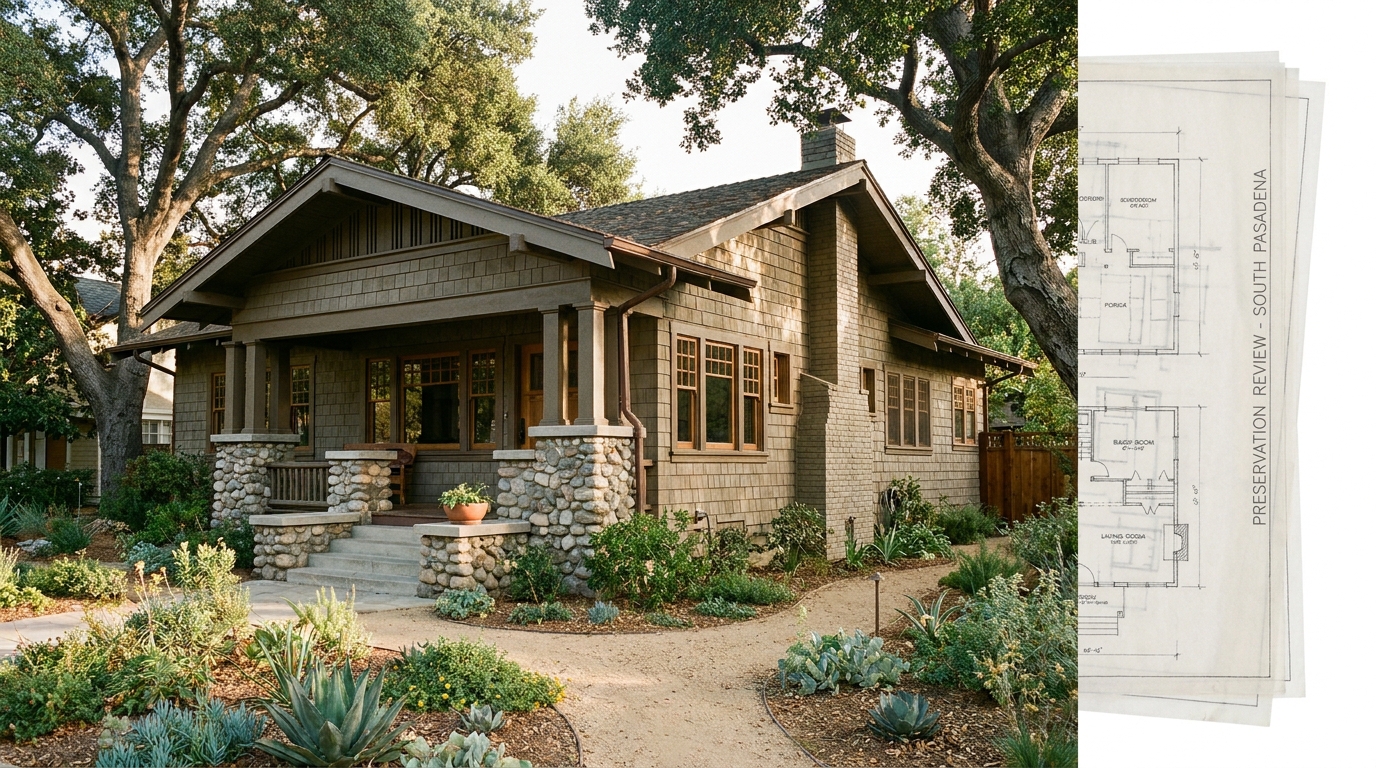
The Mills Act Encourages Owners to Maintain Historic Properties
Regulation is only one side of preservation. South Pasadena also uses incentives.
The Mills Act is one of California’s best-known historic preservation programs. In South Pasadena, it allows eligible historic-property owners to enter into an agreement with the City that can result in a property-tax reduction.
In exchange, the owner agrees to carry out restoration, rehabilitation, and maintenance work over time.
The program is therefore designed to connect financial relief with actual investment in a historic resource.
Mills Act Contracts Link Tax Benefits to Restoration
South Pasadena’s Mills Act process requires more than simply owning an old house.
Eligible properties include designated landmarks, properties within historic districts, and qualifying properties on the California Register. Applicants must submit a maintenance and rehabilitation plan, documentation, estimates, and other materials for review.
Approved work may include structural upgrades, historically appropriate window or door restoration, exterior repairs, drainage improvements, plumbing work, and other projects that protect the building while retaining significant features.
The program remains active in 2026. For example, the Cultural Heritage Commission’s March agenda included Mills Act requests involving properties at 1415 Milan Avenue and 220 Orange Grove Avenue. The Commission also reviewed progress and renewal information for existing contracts.
The South Pasadena Preservation Foundation has also highlighted the Mills Act in its 2026 preservation publications, reinforcing the program’s ongoing role in caring for older buildings.
That matters because historic preservation can be expensive. Older homes may require specialized repairs, custom materials, seismic work, wood restoration, foundation improvements, or careful rehabilitation instead of standard replacement.
A financial incentive can help owners make preservation-friendly choices.
What Preservation Looks Like in South Pasadena in 2026
The best way to understand preservation is to look at what is happening now.
South Pasadena’s 2026 Cultural Heritage Commission calendar shows that preservation review is not an occasional ceremonial activity. Meetings have involved projects across many streets and neighborhoods.
Public notices during the year have referenced properties on Milan Avenue, Camden Avenue, Mission Street, Diamond Avenue, Meridian Avenue, Laurel Street, Oak Hill Place, Grand Avenue, and Garfield Avenue.
Each case can involve different questions. One property may need an alteration reviewed. Another may involve a Mills Act request. A different project may raise questions about demolition, rehabilitation, new construction, or the historic significance of existing buildings.
Active Reviews Show That Preservation Is a Continuing Process
These reviews demonstrate an important point: historic preservation does not end when a property receives a designation.
Buildings continue aging. Families change. New owners arrive. Housing needs evolve. Earthquakes create retrofit concerns. Energy standards change. Additional living space may become necessary.
Therefore, preservation must address change rather than pretend change will never occur.
South Pasadena’s approach is especially visible along places such as historic Mission Street. The corridor must continue supporting businesses, housing, transportation, events, and community life while maintaining the scale and character that make it distinctive.
Preservation Is About Managing Change, Not Freezing Time
A well-preserved city should not look abandoned or frozen in one historical period. Historic buildings need viable uses. Homes must remain comfortable. Commercial districts need businesses. Public buildings must meet modern needs.
The real challenge is deciding which features carry historic meaning and how new work can coexist with them.
For a Craftsman home, that might mean retaining a porch, roof form, original windows, wood detailing, and visible massing while placing a compatible addition toward the rear.
For a commercial street, preservation may involve maintaining pedestrian-scale storefronts, architectural rhythm, mature trees, and street relationships while allowing new uses inside older buildings.
For former Caltrans properties, preservation has another dimension. Some homes acquired for the abandoned freeway extension are now returning to residential use. Historic properties can carry preservation protections as they move out of state ownership.
Our article on the South Pasadena 710 Freeway and Caltrans homes explains why these properties remain part of the city’s preservation story in 2026.
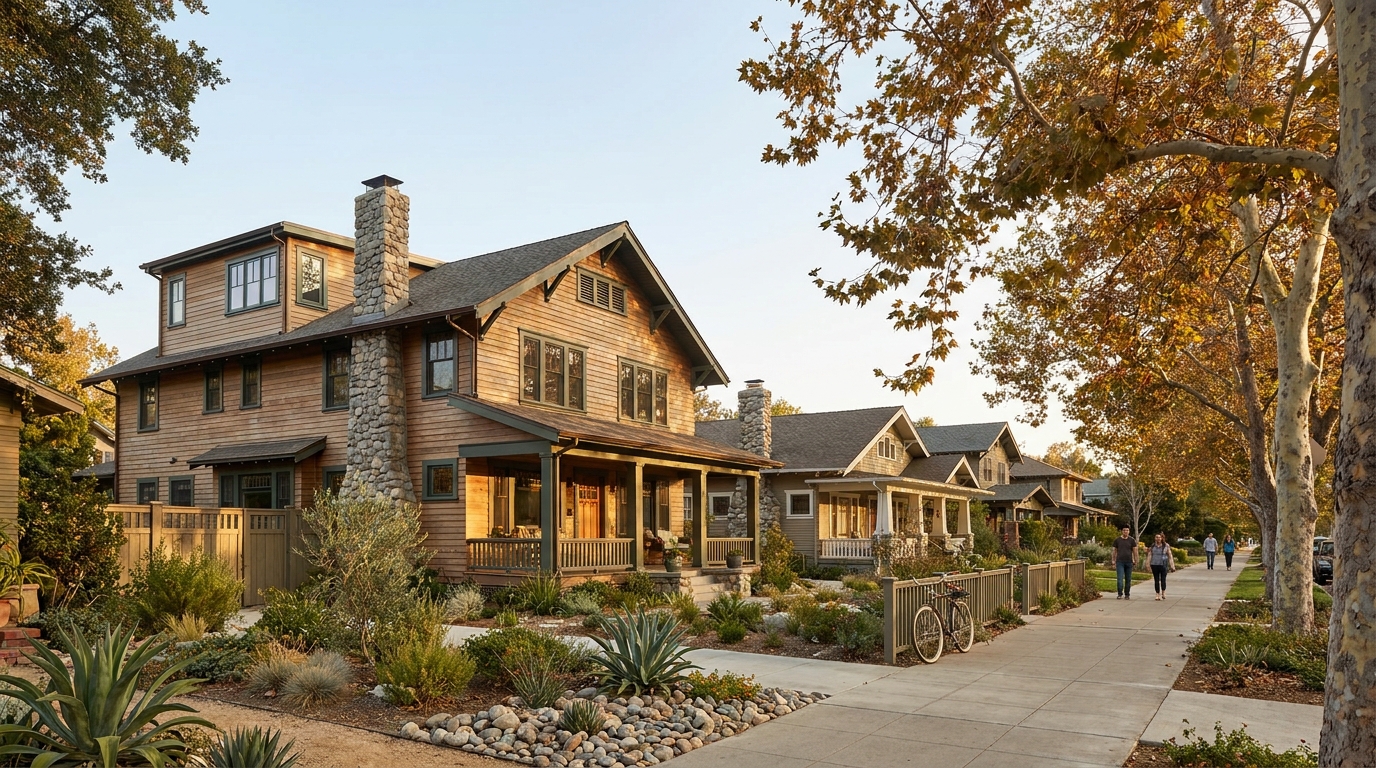
Residents who want official information about current preservation reviews can visit the South Pasadena Cultural Heritage Commission. The City publishes meeting agendas, agenda packets, public notices, preservation resources, Mills Act information, and Certificate of Appropriateness materials there.
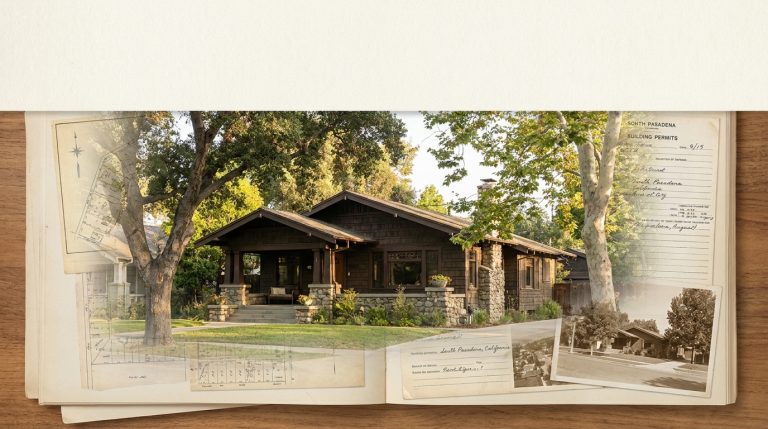
Preservation also connects directly with the city’s archives. Historic photographs can show original building features. City directories identify former residents. Building records document alterations. Maps reveal how neighborhoods developed.
For that reason, anyone considering a historic-property project should research before making design decisions. Our South Pasadena research resources and historic photo archives provide useful starting points.
South Pasadena’s
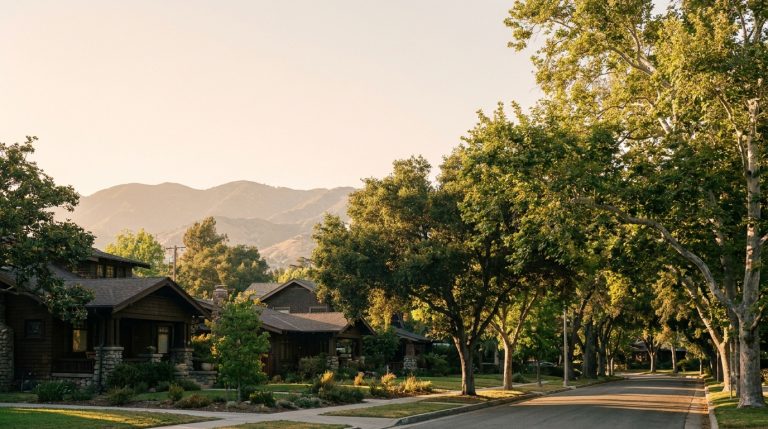
South Pasadena’s preservation system has helped retain a cityscape that feels different from much of the surrounding region. Tree-lined streets, Craftsman homes, historic commercial buildings, civic institutions, and compact neighborhoods remain visible because generations of residents made choices about what should survive.
In 2026, those choices continue.
Some involve a single window or porch. Others involve entire properties, housing projects, historic districts, or former freeway homes. Together, they determine what future residents will inherit.
That is why South Pasadena historic preservation matters. It protects more than old buildings. It preserves the physical evidence of how the community developed while creating a framework for thoughtful change.
Continue exploring that legacy through our South Pasadena architecture and historic homes, historic landmarks, and complete local history timeline.